
7 Unlocking Diverse Perspectives in Fashion Explore how diverse perspectives shape fashion trends, and promote inclusivity.
Diverse Perspective in Fashion – Driving Creativity and Inclusion
In today’s globalized world, the concept of diverse perspectives is gaining significant attention, particularly in the fashion industry. Fashion is no longer just about clothing; it’s a reflection of culture, identity, and society. Designers, brands, and influencers are increasingly realizing that embracing diverse viewpoints—from ethnicity, gender, and body type to socio-economic background—can not only drive creativity but also foster inclusivity and sustainability in fashion.
What Does “Diverse Perspective” Mean in Fashion?
A diverse perspective involves understanding and appreciating ideas, experiences, and cultural influences from various backgrounds. In fashion, this could manifest in:
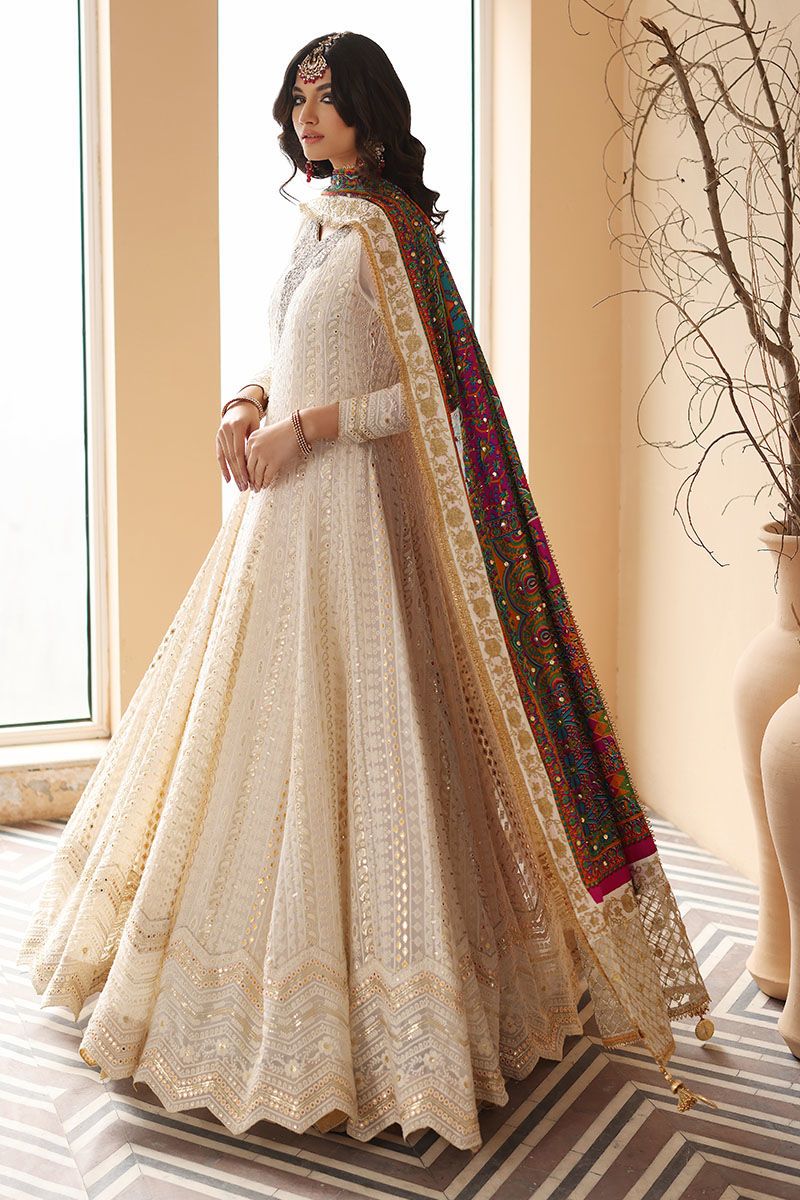
- Design aesthetics: Incorporating patterns, colors, and styles inspired by different cultures.
- Marketing strategies: Highlighting models and influencers of all backgrounds.
- Product development: Creating inclusive sizing or adaptive clothing for different body types and abilities.
By embracing diverse perspectives, fashion becomes more than a visual experience—it becomes a platform for cultural dialogue and social change.

Why Diverse Perspectives Matter in Fashion?
Creativity and Innovation
When designers are exposed to a wide range of cultural, social, and personal experiences, it sparks innovation. For instance, African prints, Japanese minimalism, and Latin American textures have all inspired global fashion trends. A single cultural lens can limit creativity, but a diverse team brings multiple lenses, creating unique and unexpected designs.

Representation and Inclusivity
Fashion has historically favored a narrow standard of beauty. By embracing diversity, brands send a powerful message of inclusivity. Consumers feel seen and represented, which strengthens brand loyalty. Representation goes beyond skin color—it includes age, gender identity, body size, and ability.
Economic Impact
Diverse perspectives open doors to untapped markets. For example, adaptive fashion for people with disabilities or modest fashion for culturally specific audiences has grown into lucrative sectors. Brands that ignore these perspectives risk alienating large groups of consumers.
How Fashion Brands Can Incorporate Diverse Perspectives?
- Hiring a Diverse Team:
Hiring designers, marketers, and decision-makers from various backgrounds ensures multiple viewpoints are considered in the creative process. - Collaborations Across Cultures:
Collaborating with artists, artisans, and designers from different cultures can lead to fresh, innovative collections that appeal to global audiences. - Inclusive Campaigns:
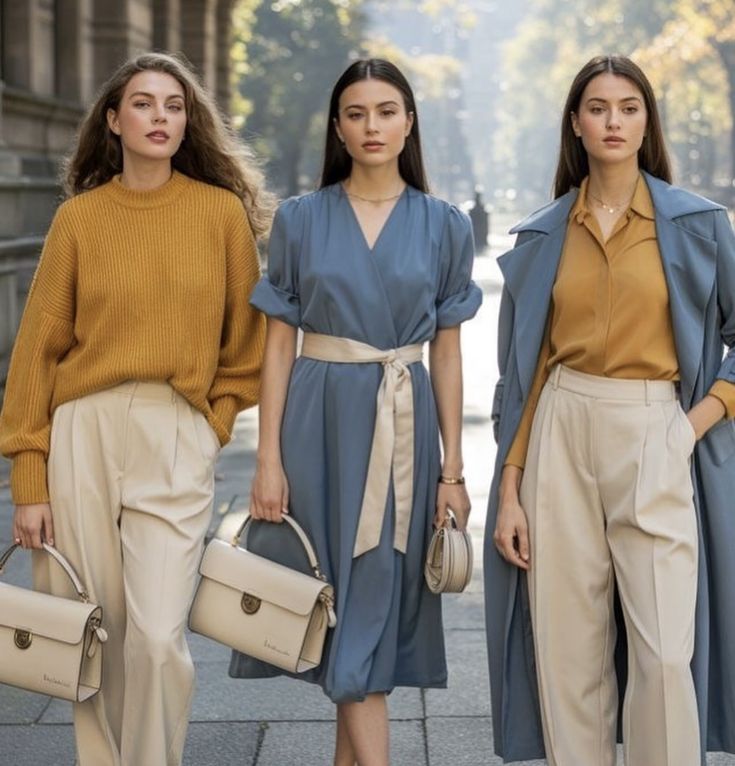
Campaigns featuring models of different ages, genders, sizes, and ethnicities make fashion relatable to a broader audience. Brands like Gucci, Fenty, and Dior have successfully embraced this approach. - Sustainable and Ethical Fashion:
A diverse perspective encourages consideration of cultural and environmental sustainability, as designers learn from traditions that prioritize eco-friendly practices. - Consumer Feedback and Engagement:
Listening to diverse consumers through surveys, social media, and focus groups ensures that fashion products meet the needs of a wide audience.
4. Real-Life Examples of Diversity in Fashion
- Fenty by Rihanna:
Fenty Beauty and Fenty Fashion revolutionized inclusivity by offering products and designs for all skin tones and body types. - Prabal Gurung:
Known for celebrating cultural heritage and social diversity in runway shows, his designs resonate with a global audience. - UNIQLO:
The brand frequently collaborates with international artists and integrates cultural storytelling into its clothing lines.
The Future of Diverse Perspectives in Fashion
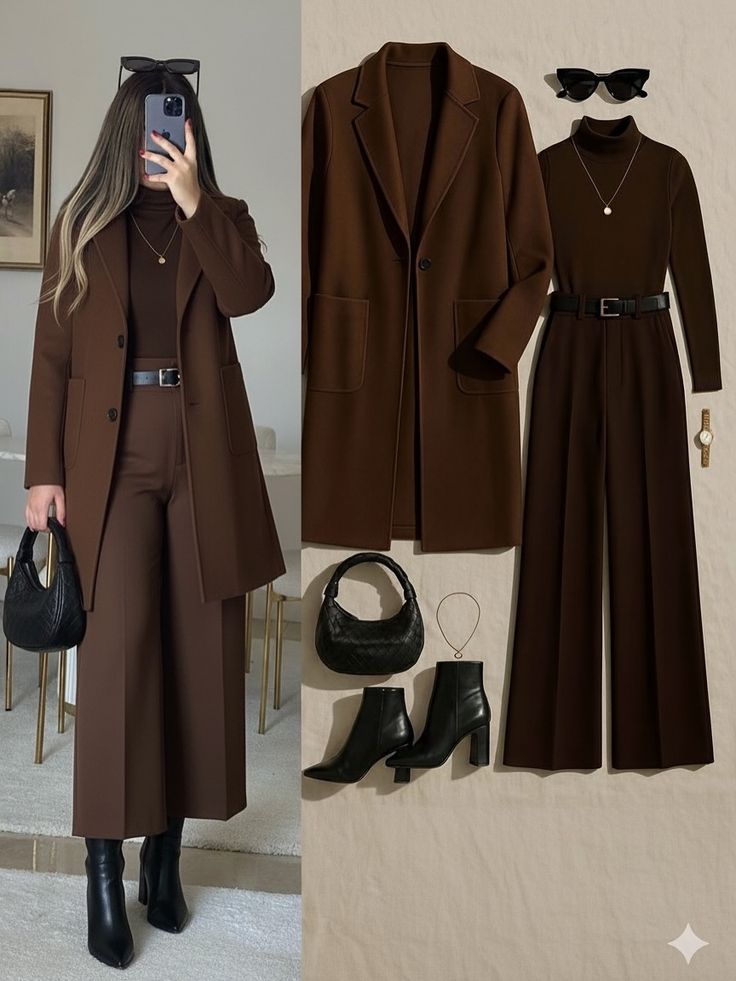
As global awareness of social issues rises, the fashion industry must continue evolving. Consumers increasingly expect brands to embrace diversity, sustainability, and ethical practices. By prioritizing diverse perspectives, fashion can:
- Drive innovation and creativity.
- Create meaningful connections with consumers.
- Reflect a globalized and culturally rich world.
The future of fashion isn’t just about clothing—it’s about storytelling, empowerment, and representation. A diverse perspective ensures that fashion speaks to everyone, regardless of background or identity.
Understanding Diverse Perspectives in Fashion
A diverse perspective in fashion means considering and valuing ideas, experiences, and cultural influences from a wide array of backgrounds. This could include:
- Cultural influences: Incorporating patterns, colors, fabrics, and designs inspired by different regions of the world.
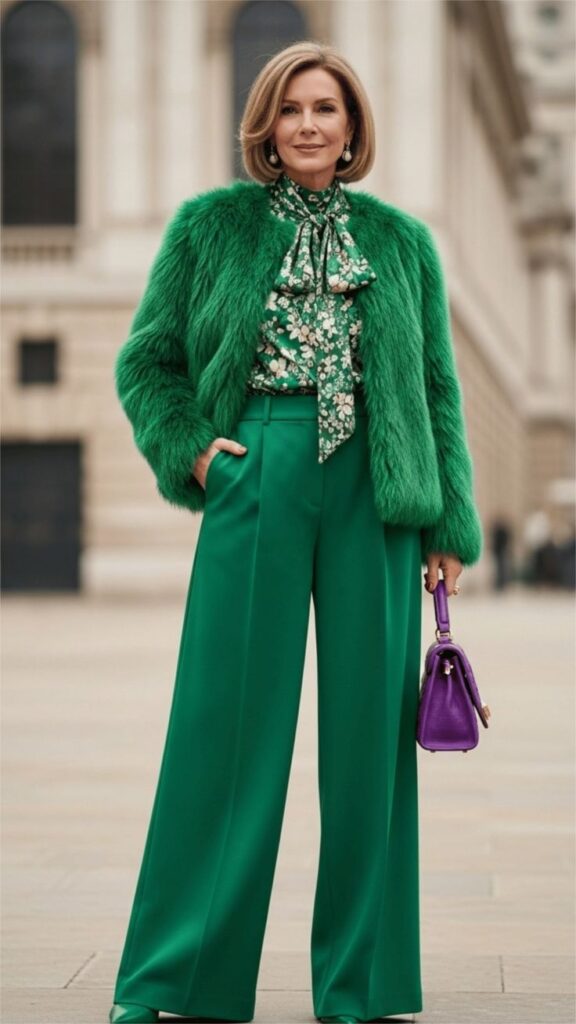
- Representation in campaigns: Featuring models of all skin tones, ages, body types, and gender identities.
- Product inclusivity: Designing adaptive clothing for people with disabilities or inclusive sizing for all body types.
- Sustainable practices: Learning from cultural traditions that prioritize environmental responsibility.
Fashion, when viewed through a diverse lens, becomes a platform for storytelling, celebrating heritage, identity, and creativity.
Strategies for Integrating Diverse Perspectives
Diverse Teams
Hiring a team from varied cultural, social, and professional backgrounds ensures multiple perspectives are included in design and marketing decisions. Diverse teams are more likely to challenge conventional thinking and drive innovative solutions.
3.2 Cultural Collaborations
Working with artisans, designers, and creatives from different regions can lead to distinctive collections that resonate globally. For example, collaborations between Western brands and African textile designers have produced iconic, culturally rich fashion lines.
3.3 Inclusive Campaigns
Marketing campaigns should reflect real-world diversity, including models of different ethnicities, ages, sizes, and abilities. Brands like Gucci, Fenty, and Dior have set examples by celebrating inclusivity in runway shows and advertising.
3.4 Ethical and Sustainable Design
A diverse perspective encourages respect for cultural and environmental sustainability. Designers learn from traditional craftsmanship and eco-conscious practices, resulting in fashion that is both innovative and responsible.
3.5 Engaging Consumer Feedback
Listening to a diverse audience through surveys, social media, or focus groups ensures products meet the needs of all consumers, enhancing brand relevance and loyalty.
4. Real-Life Examples of Diversity in Fashion
4.1 Fenty by Rihanna
Rihanna’s Fenty brand disrupted the fashion and beauty industry by offering inclusive sizing and celebrating diversity across campaigns. The success of Fenty highlights the business and cultural value of embracing diverse perspectives.
4.2 Prabal Gurung
Prabal Gurung’s runway shows and designs celebrate cultural heritage and social diversity, using fashion as a medium to highlight global storytelling and inclusivity.
4.3 UNIQLO Collaborations
UNIQLO frequently partners with international artists, integrating cultural narratives into designs, demonstrating that global collaboration can be both fashionable and meaningful.
4.4 Dior and Gucci’s Inclusive Campaigns
High-end brands have started featuring models of all skin tones, body types, and ages, showing that inclusivity is not only ethical but commercially successful.
Frequently Asked Question
Q1: What is a diverse perspective in fashion?
A diverse perspective in fashion refers to incorporating ideas, styles, and influences from different cultures, genders, ages, body types, and social backgrounds into clothing design, marketing, and brand strategy.
Q2: Why is diversity important in fashion?
Diversity promotes creativity, inclusivity, and innovation. It allows brands to connect with a wider audience and encourages unique, culturally inspired designs.
Q3: How can fashion brands promote diversity?
Brands can promote diversity by hiring diverse teams, featuring inclusive campaigns, collaborating with international designers, and engaging with diverse consumer feedback.
Q4: Which fashion brands are known for embracing diverse perspectives?
Brands like Fenty, Gucci, Dior, and Prabal Gurung are recognized for celebrating inclusivity and cultural diversity in their designs and campaigns.
Q5: How does diversity in fashion impact consumers?
Diversity allows consumers to see themselves represented, fostering a sense of inclusion and loyalty. It also introduces consumers to new cultural influences and innovative designs.